This article is for influencers and content creators in Ireland and the UK who are earning income from social media but haven't properly registered for tax or set up a business structure.If you're worried about undeclared income, don't know whether you should be paying tax on brand deals and gifted products, or want to understand how a limited company could protect you, this guide covers why tax authorities are targeting influencers right now, the serious consequences of non-compliance, and exactly how to get compliant before it's too late.
Key Takeaways
• Tax authorities actively monitor influencer income through sponsored content hashtags, platform payments, and lifestyle indicators that don't match declared income.
• Undeclared income can result in back taxes for 4-6 years plus penalties up to 100% of tax owed and potential criminal prosecution.
• Operating as a sole trader means business debts become personal debts, putting your home, savings, and personal assets at risk.
• Limited companies offer 20-35% tax savings on retained profits through lower corporation tax rates compared to sole trader income tax rates.
• Make a voluntary tax disclosure before authorities contact you to reduce penalties from 100% down to as low as 3-10%.
Kevin Kelly is a chartered accountant and tax advisor in Ireland and the UK since 2010. He has extensive experience gained in PwC and various multinational industry roles.
Do I really need to declare gifted products and PR packages as income?
Yes, gifted items and services are taxable benefits-in-kind based on their market value. Tax authorities in both Ireland and the UK consider these as part of your taxable income, even if you didn't receive cash payment.
What happens if I've been earning income as an influencer but never registered for tax?
You'll face back taxes for potentially 4-6 years, daily compounding interest on unpaid amounts, and penalties up to 100% of the tax owed in serious cases. A €50,000 undeclared income could easily become a €100,000+ problem once penalties and interest are added.
Can tax authorities actually track my influencer income?
Yes, Revenue and HMRC have dedicated teams that can easily track sponsored content through #ad and #gifted hashtags, payment flows from platforms like YouTube and Instagram, lifestyle indicators that don't match declared income, and cross-border transactions. This monitoring is happening right now, not in the future.
Could I face criminal charges for not paying tax on my influencer income?
Yes, tax evasion is a criminal offense that can result in prison sentences up to 5 years, a criminal record affecting future employment and travel, public naming in tax defaulters lists, and reputational damage that could destroy your influencer career. Both Revenue and HMRC do pursue criminal prosecution in serious cases.
How much can I save on taxes by setting up a limited company instead of operating as a sole trader?
In Ireland, you could save 20-35% on retained profits with corporation tax at 12.5% versus sole trader rates up to 40% plus USC and PRSI. In the UK, potential savings are up to 25% with corporation tax at 19-27% versus sole trader rates up to 48% plus National Insurance.
What if I only made a few thousand euros last year—do I still need to register?
Yes, there's no minimum threshold for tax registration once you're trading. Even small amounts of influencer income require proper tax registration with Revenue or HMRC.
Will making a voluntary disclosure reduce my penalties?
Yes, tax authorities treat voluntary disclosures much more favorably than forced investigations. Penalties can be reduced from 100% to as low as 3-10% with proper voluntary disclosure before they contact you.
Can I backdate my limited company registration to cover previous years?
No, you cannot backdate your company registration. However, you can make historical income disclosures for past years and then move forward with a company structure to protect yourself going forward.
When do I need to register for VAT as an influencer?
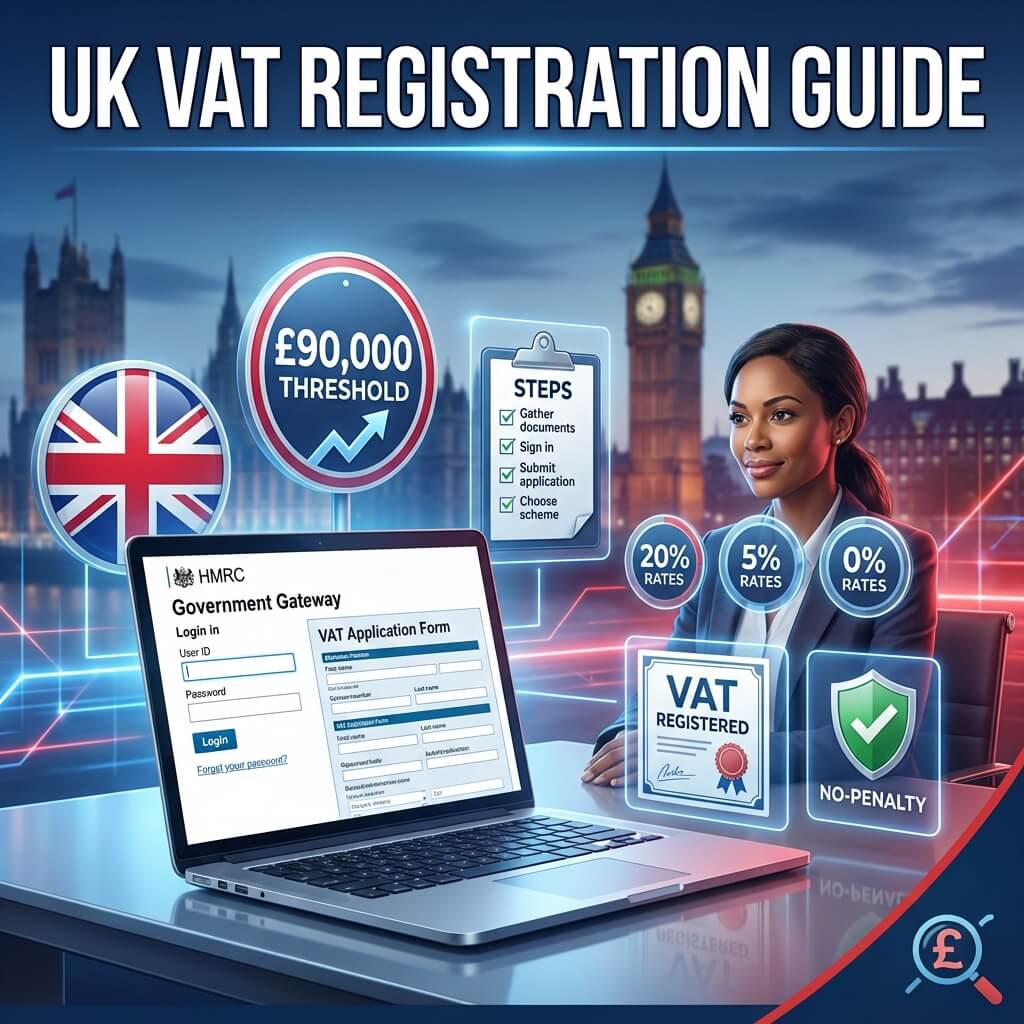
VAT registration is required once your revenue exceeds the relevant services thresholds: €42,500 in Ireland and £90,000 in the UK. Until you reach these thresholds, VAT registration is not mandatory.
How does a limited company protect my personal assets?
A limited company creates a legal wall between your personal and business finances, meaning creditors can only pursue company assets if your business faces legal action or debts. Your home, personal savings, and other personal assets remain protected (assuming you haven't given personal guarantees), unlike sole trader status where business debts become your personal debts.