New UK entrepreneurs, sole traders, and limited company directors facing accounting challenges.
They'll gain structured habits to simplify finances, ensure HMRC compliance, prevent failure from poor management, and focus on business growth.
Accounting for small businesses is one of the first hurdles you will face as a new entrepreneur in the UK. Whether you are a sole trader or running a limited company, getting your finances in order from the start is not optional. Research suggests that over 80% of small businesses fail due to poor financial management. That is a sobering number, but the good news is you do not need to be a qualified accountant to stay in control. With the right habits and a structured approach, you can simplify your accounting, remain compliant with HMRC, and spend more time doing what you actually started your business to do.
How to Simplify Accounting for Small Businesses These nine steps cover the essential financial habits every UK business owner should build into their routine from the outset.
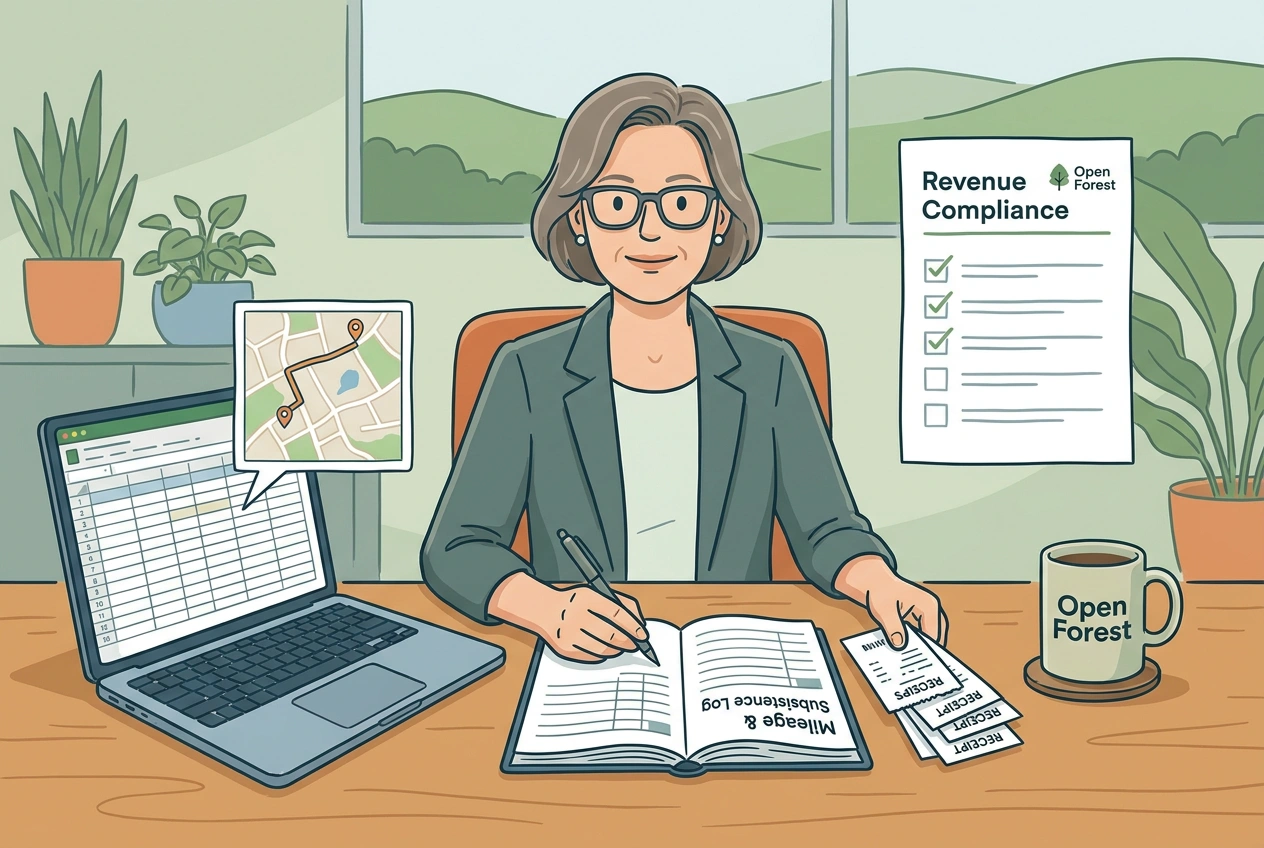
Step 1: Record every business expense Tracking every penny your business spends is the foundation of good accounting. Every receipt, invoice , and bank statement is a piece of financial data you cannot afford to lose.
Meticulous expense records help you claim the tax rebates you are entitled to, simplify your tax return , and give you a clear view of your spending patterns. Use an accounting app with a receipt scanning feature so you can log costs on the go. For each expense, note the amount, the date, and a brief description of what it was for.
Step 2: Open a dedicated business bank account Keeping personal and business money in the same account is a recipe for confusion. A dedicated business bank account makes tracking income and outgoings far simpler and provides a clean audit trail when you file your tax return.
It also adds a layer of privacy between your personal data and your business dealings. Using a business credit card can offer extra benefits like building a separate credit history for your company.
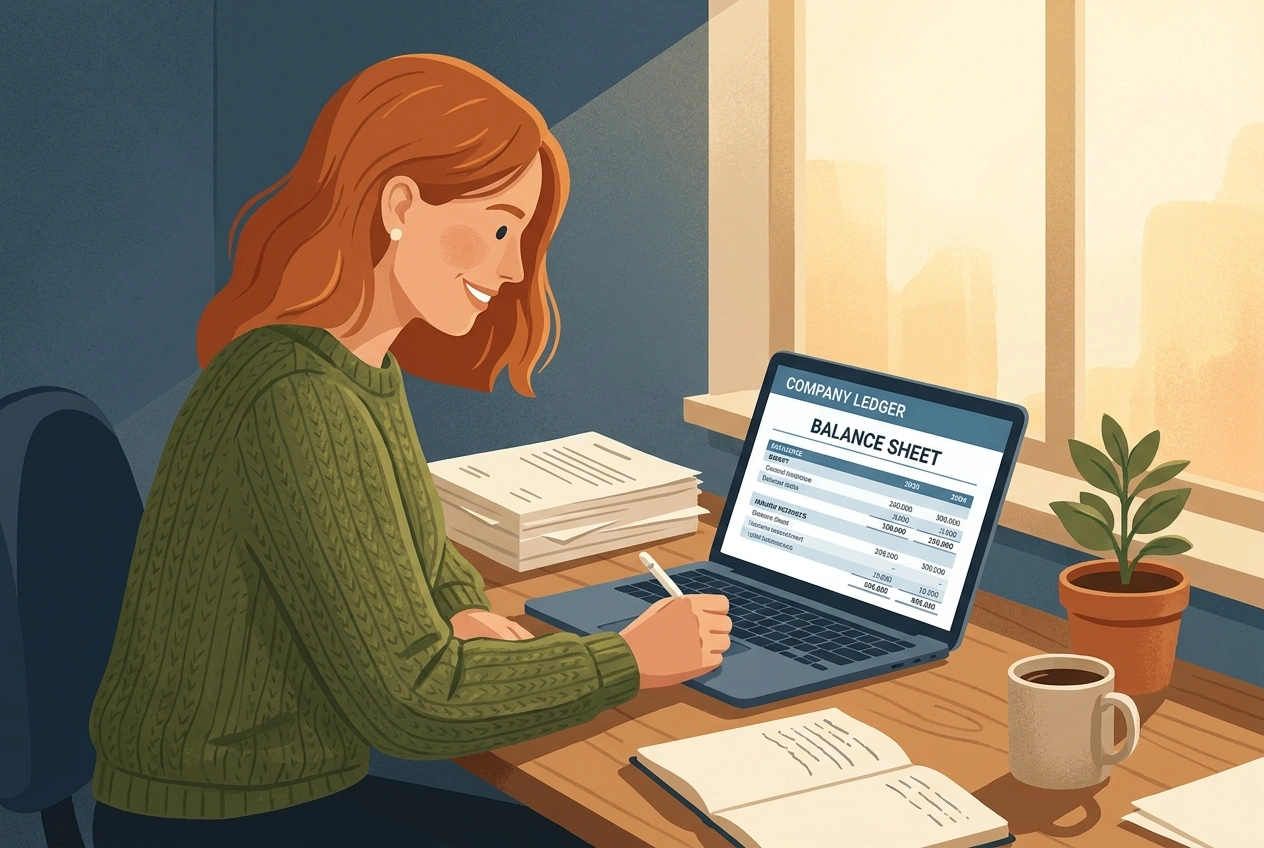
Step 3: Learn basic bookkeeping principles You do not need a degree in finance. But understanding terms like income statements , balance sheets , and cash flow will give you much greater control over your business finances.
Free online resources and short courses designed for small business owners are widely available. A small investment of time learning the basics will save you money and help you spot problems before they grow into serious issues.
Start with cash flow. If you only learn one financial concept, make it this one. Knowing exactly how much money enters and leaves your business each month helps you avoid the single biggest reason small businesses run into trouble.
Step 4: File your Self Assessment on time Sole traders in the UK must file a Self Assessment tax return every year. This is where organised record-keeping pays off in a big way.
Register with HMRC early and mark the filing deadline in your calendar. Submitting late can lead to penalties that add up fast. If the process feels daunting, a professional service can prepare and file your return on your behalf, saving you hours of work and stress.
Step 5: Set up payroll if you employ staff Taking on employees means you need a system for handling wages, National Insurance, and tax deductions. Several payroll software tools are designed for small businesses, with automated features that reduce manual errors and save time.
Outsourcing payroll to an accounting firm is another option worth considering. Whatever route you choose, make sure you understand your legal obligations as an employer, including minimum wage requirements and employee benefits .
Step 6: Choose how to pay yourself Sole traders usually draw profits straight from their business account. Limited company directors have more options, including taking a salary, paying dividends, or a combination of both.
Each approach has different tax implications. An accountant can help you work out the most efficient method for your particular circumstances and make sure you stay on the right side of the rules.
Step 7: Know your tax dates and rules Missed tax deadlines attract penalties and interest charges from HMRC. Keep a calendar of key dates, including VAT return deadlines and corporation tax payments if you operate as a limited company.
HMRC publishes free calculators and detailed guidance on its website. Staying current with changes to tax rules is just as important as meeting the deadlines themselves.
Step 8: Create and maintain a budget A budget lets you forecast income and expenses, identify potential savings, and measure your progress toward financial goals. Factor in projected revenue, fixed assets such as rent and utilities, and variable costs like marketing and supplies.
Compare your budget against actual figures on a regular basis. Treat it as a living document that evolves alongside your business, not something you write once and file away.
Step 9: Bring in professional support when you need it There will be times when expert guidance is worth every penny. Online accounting services give you access to professional help without the overhead of a full-time hire.
Common features include cloud-based software, bookkeeping assistance, tax filing support, and on-demand consultations with qualified accountants. Delegating financial tasks frees you to concentrate on the areas of your business that need your attention most.
Build good accounting habits from day one Consistent record-keeping, a working knowledge of basic accounting principles, and the confidence to seek professional help when you need it are the foundations of a financially healthy business. With a little planning and organisation, you can keep your accounting under control and focus on what matters most: growing your business.