This article is aimed at small Irish employers, founders, and HR managers who are hiring their first international employees and need to navigate right‑to‑work compliance. It is relevant to anyone responsible for onboarding non‑EEA staff or ensuring legal employment practices in Ireland.
After reading, you will understand the legal duties of right‑to‑work checks, the specific permits required for different nationalities, how to properly document and store verification records, and the penalties for non‑compliance. You will be equipped to implement a compliant check process and avoid costly fines.
Key Takeaways
Failing a right‑to‑work check can attract fines up to €250,000 and up to ten years’ imprisonment, making compliance critical.
EEA, Swiss and UK nationals may work in Ireland without an employment permit, but employers must still retain a dated copy of their passport or ID.
Employers must store right‑to‑work documents as GDPR‑protected personal data, keeping copies for the employment period plus six years and securing them against unauthorized access.
Run the right‑to‑work verification before signing an employment contract to avoid costly remediation after hiring.
A right‑to‑work check is the employer’s legal verification that a candidate can lawfully take up a role before their first day, confirming nationality, sighting the correct documents and keeping a clear record as required by the Employment Permits Act 2024.
How do I verify the right‑to‑work status of EEA or Swiss nationals?
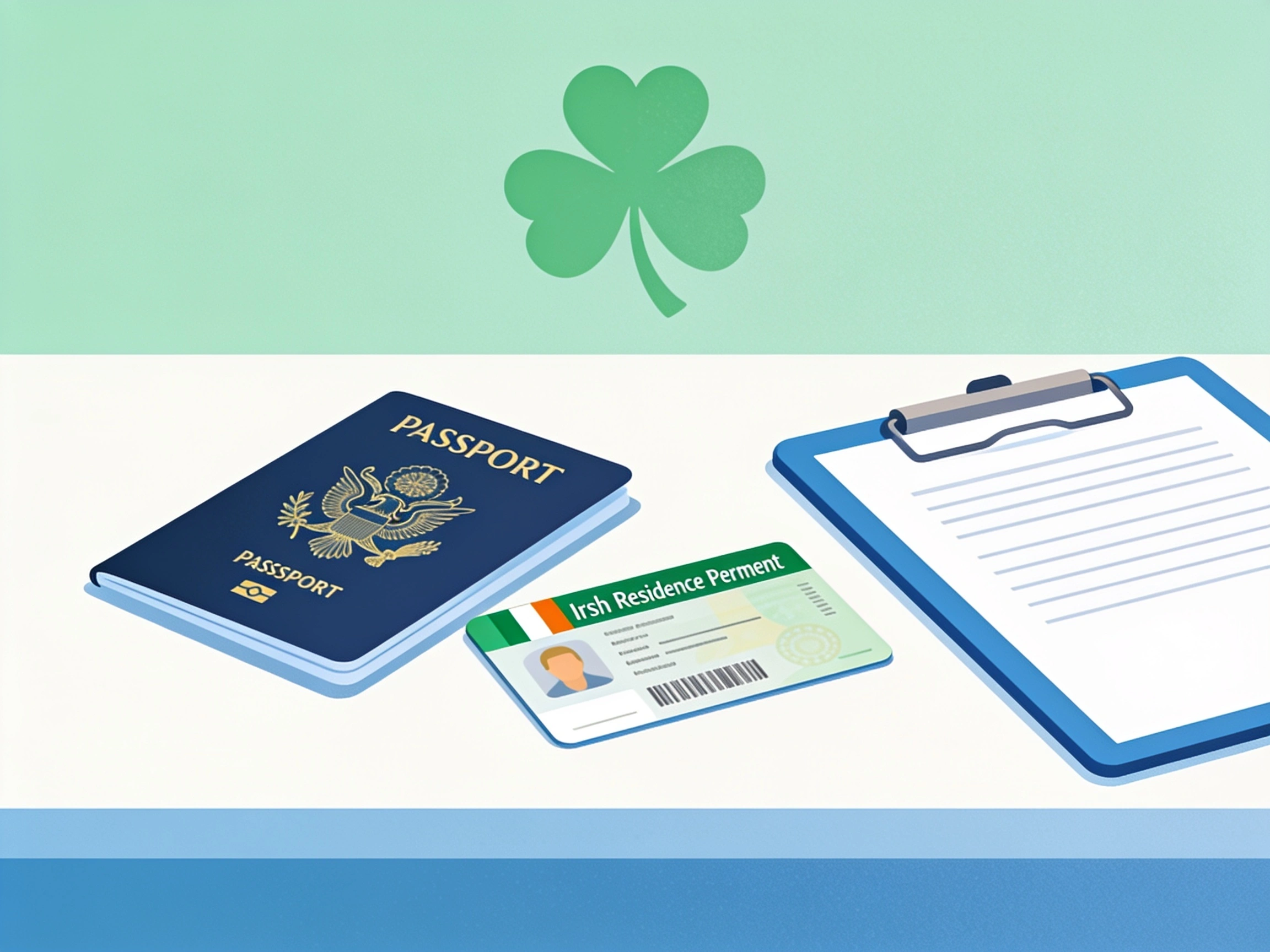
You verify EEA, Swiss or UK nationals by sighting their passport or national ID card, taking a dated copy for your file, and recording the date of the check and the person who carried it out, as these documents are acceptable proof of eligibility.
Why must right‑to‑work records be kept for six years after employment ends?
Records must be kept for the employment period plus six years to meet GDPR and statutory retention requirements, ensuring you can demonstrate compliance with data‑protection rules and provide evidence if inspected by regulators.
What penalties can a small employer face for getting a right‑to‑work check wrong?
Penalties include fines up to €250,000, possible imprisonment of up to ten years for serious offences, additional fines of around €3,000 per illegal worker, and the risk of losing future permit sponsorship rights, as outlined in the Employment Permits Act 2024.





%20(1).webp)