This guide is aimed at UK founders and first‑time directors who are planning to set up a limited company. It’s especially useful for small‑business owners and startup teams that need a clear, practical overview of the formation process.
After reading, you will understand the key decisions you must make before registration, how to complete the online or paper filing with Companies House, and the ongoing compliance and cost obligations you’ll face. You’ll also learn common pitfalls to avoid and how Open Forest’s services can help streamline the setup.
Key Takeaways
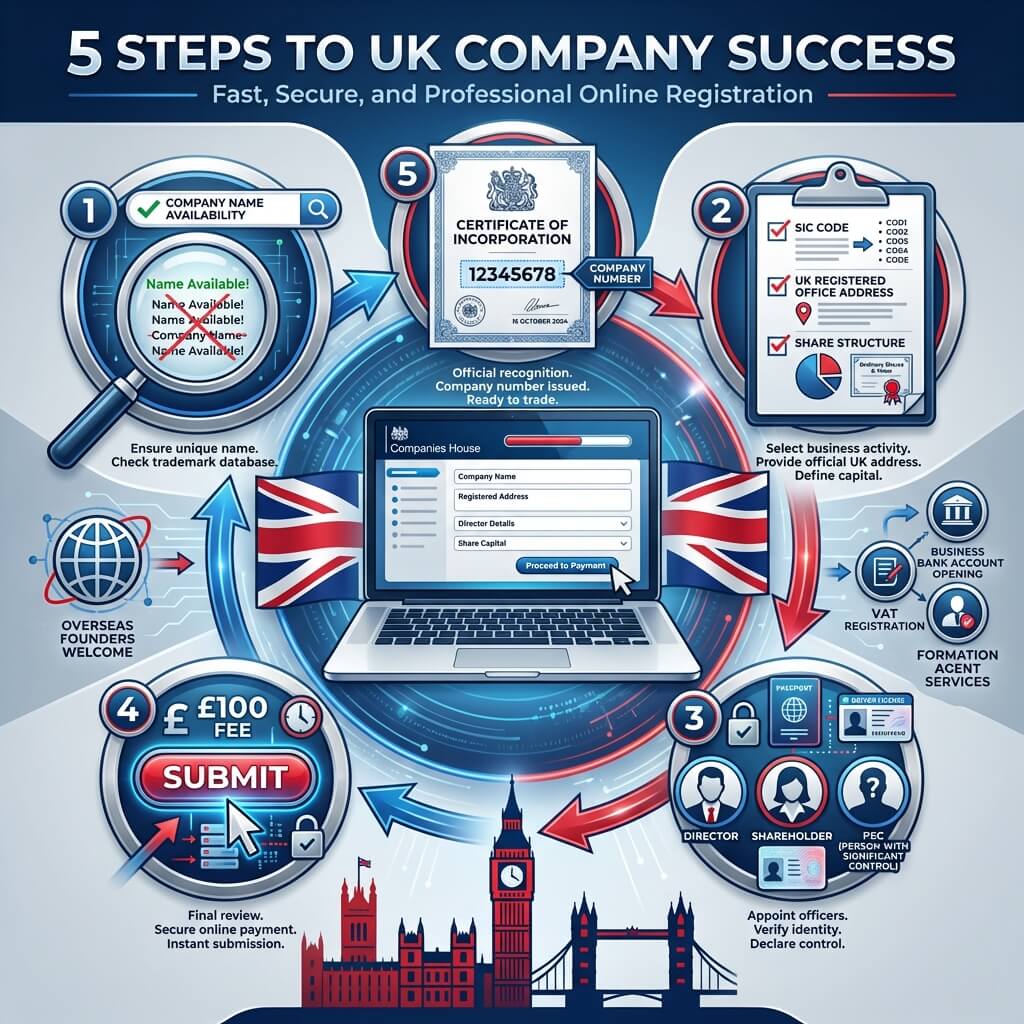
Online registration costs £100, is processed within 24 hours, and is the quickest, cheapest way to incorporate a limited company.
A limited company gives you limited‑liability protection, tax advantages over sole traders, and added credibility with clients and lenders.
After incorporation you must register for Corporation Tax, open a separate business bank account, and assess whether VAT and PAYE registration are required.
Common mistakes to avoid are using a home address publicly, missing the first accounts filing deadline, and mixing personal with business finances.
Ongoing compliance includes filing an annual confirmation statement, submitting annual accounts, and filing corporation tax returns on time.
Laura Ryan is a practising Barrister at the Bar of Ireland. She graduated from the Honourable Society of King’s Inns in 2024, having previously qualified and practised as a Chartered Accountant in a big four accounting firm.
What are the costs to set up a limited company in the UK?
Setting up a limited company costs £100 for online incorporation or £124 for paper filings, with same‑day registration via software at £156. Additional expenses may include a registered‑office service (£50‑£200 per year), accountant fees (£500‑£2,000+ annually), confirmation‑statement filing (£50), and ICO data‑protection fees (£40‑£60 yearly.
How do I register a limited company with Companies House?
You register a limited company by filing online through the GOV.UK service, creating a Government Gateway account, and submitting details such as company name, registered office, directors, shareholders, share capital, SIC codes, and articles of association; the £100 fee is usually processed within 24 hours. Paper registration uses form IN01, costs £124, and takes 8‑10 days.
Why might a founder choose a limited company instead of a sole trader?
A founder may choose a limited company because it provides limited liability protection, separating personal assets from business risks, and often offers tax efficiencies such as corporation tax rates lower than income tax. It also adds credibility with clients and suppliers and allows flexible remuneration through salary and dividends, unlike a sole trader.
What ongoing compliance obligations does a UK limited company have after incorporation?
After incorporation, a UK limited company must file a confirmation statement at least yearly (digital fee £50) and prepare annual accounts within nine months of its accounting reference date. It also files a corporation tax return (CT600) within 12 months of the period end and maintains statutory registers of members, directors, and PSCs, keeping them up‑to‑date.