This article is for Irish business owners and startup founders who are setting up companies with co-founders or partners and want to avoid getting stuck in decision-making paralysis.
If you're wondering what happens when shareholders can't agree on critical decisions, or how to structure your company to prevent deadlock situations, this guide covers common deadlock scenarios, practical prevention mechanisms like casting votes and shotgun clauses, and what to include in your shareholder agreement to protect everyone involved.
Key Takeaways
• Avoid 50/50 shareholdings by using 51/49 or 60/40 splits to prevent deadlock without complex provisions.
• Include mandatory mediation clauses in shareholder agreements requiring 30-60 days of good faith negotiation before other remedies.
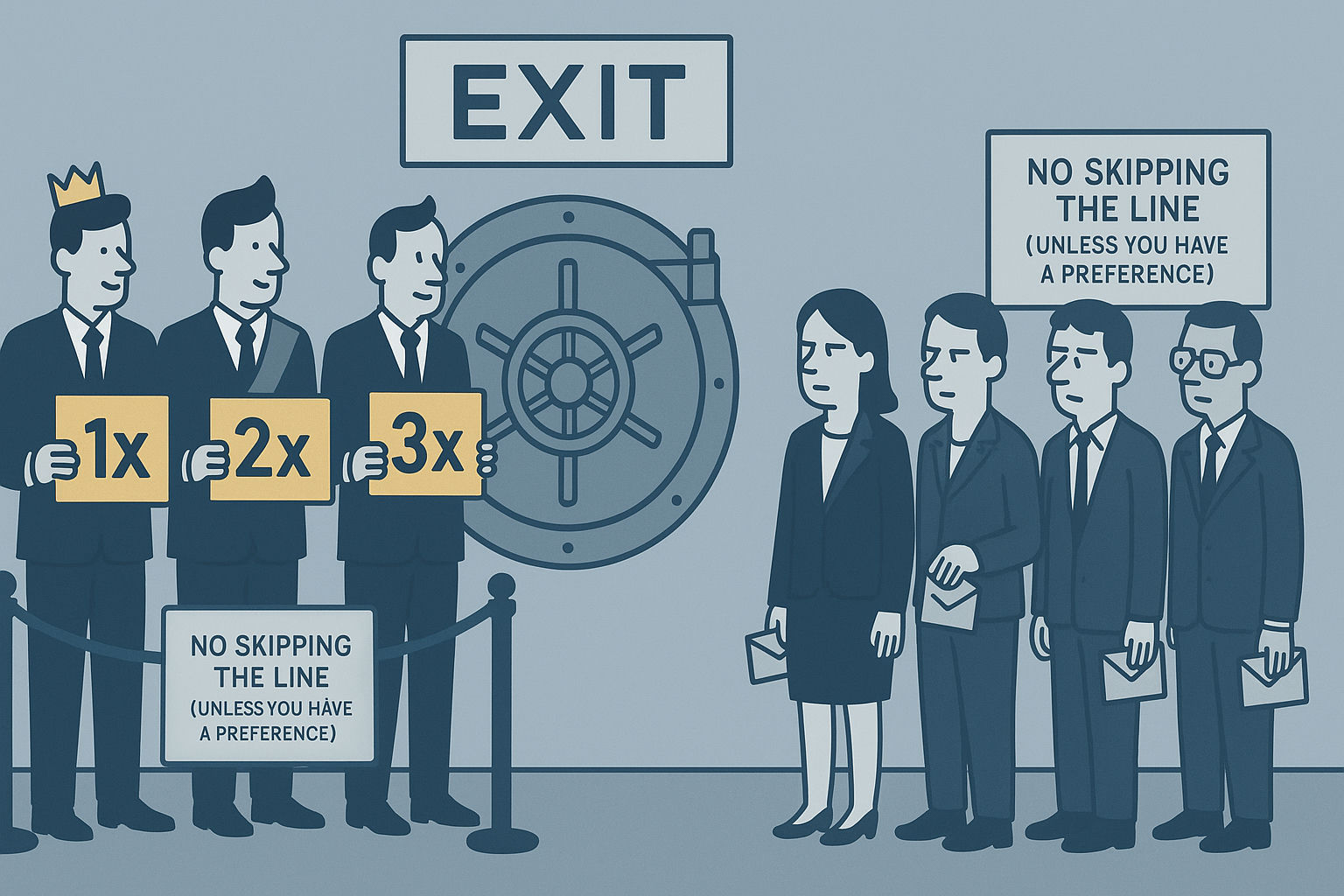
• Shotgun clauses force fair pricing but favor wealthier shareholders who can afford to buy out partners.
• Courts can order oppression remedies, forced buy-outs, or company winding up when deadlock makes operation impossible.
• Draft comprehensive shareholder agreements defining deadlock, resolution hierarchy, valuation mechanisms, and financing terms for forced purchases.
Laura Ryan is a practising Barrister at the Bar of Ireland. She graduated from the Honourable Society of King’s Inns in 2024, having previously qualified and practised as a Chartered Accountant in a big four accounting firm.
Shareholder deadlock occurs when shareholders cannot pass resolutions required to run the company effectively, typically due to evenly split voting power or inability to meet special resolution thresholds. The company becomes paralyzed and unable to make critical decisions about operations, strategy, or major transactions.
What's the most common deadlock scenario I should avoid?
The most problematic situation is a 50/50 shareholding where neither party can pass any resolution without the other's agreement. Even small differences like a 51/49 or 60/40 split create natural tiebreaking mechanisms without requiring complex provisions.
Does my company constitution already protect me from deadlock?
Most Irish private companies adopt standard Table A provisions that offer limited deadlock protection—they work adequately when clear majorities exist but provide no help in genuine deadlock situations. Standard constitutions typically lack buy-out provisions, fair valuation processes, or mechanisms to force resolution when shareholders reach permanent impasse.
How does a casting vote work to break deadlock?
A casting vote gives specific individuals (like a board chairman) an additional vote to break tied situations—for example, if four directors split 2-2, the chairman's casting vote determines the outcome. This works best when an independent third party holds the casting vote power, as problems arise when the chairman is appointed by one faction and lacks perceived independence.
Should I include mandatory mediation in my shareholder agreement?
Yes, well-drafted shareholder agreements often require mediation before other remedies, with parties participating in good faith for 30-60 days. Mediation offers lower costs than litigation, preserves business relationships, and provides flexible solutions, though it requires willing participants and cannot force outcomes on unwilling parties.
How does a shotgun clause actually work?
In a shotgun clause, one shareholder names a price for all shares, and the other shareholder must choose to either buy at that price or sell at that price, with the transaction completing within 30-90 days. The mechanism incentivizes realistic pricing because if you set the price too low, the other party will buy your shares at that bargain, and if you set it too high, they'll sell and take the windfall.
What are the risks of using a shotgun clause?
Financial inequality between shareholders means the wealthier party can force out the other regardless of merit, and respondents face financing pressure with limited time to secure funding. Strategic abuse can occur when one party triggers the shotgun to exploit the other's temporary financial vulnerability, though careful drafting with longer response periods or mandatory valuations can mitigate some risks.
What can the court do if we're completely deadlocked?
Irish courts can order oppression remedies (requiring share purchases at fair values or changing management), wind up the company on just and equitable grounds (destroying business goodwill), or order one party to purchase the other's shares at court-determined fair value. These court interventions are expensive last resorts but remain necessary when contractual mechanisms fail or don't exist.
What should I include in my shareholder agreement to prevent deadlock?
Your shareholder agreement should define deadlock clearly, establish a resolution hierarchy (discussion, mediation, shotgun, court) with timeframes, set valuation mechanisms for buy-outs, specify financing terms for forced purchases, and address ongoing obligations like non-competes after exits. Including comprehensive provisions upfront proves far more effective than trying to resolve deadlock after it occurs.
Can an independent third party help prevent deadlock?
Yes, involving neutral parties from the start significantly reduces deadlock risk—an independent non-executive director can cast deciding votes on board matters, and professional advisors serving both parties can facilitate difficult discussions before positions harden. Advisory boards without formal authority sometimes help feuding founders reach compromise.