This article is for Irish company directors and shareholders who need to call or respond to an Extraordinary General Meeting outside the normal AGM schedule.
If you're wondering when you legally need an EGM, how to properly convene one, or what notice requirements apply, this guide covers the complete process from calling the meeting to filing post-meeting decisions with the CRO.
Key Takeaways
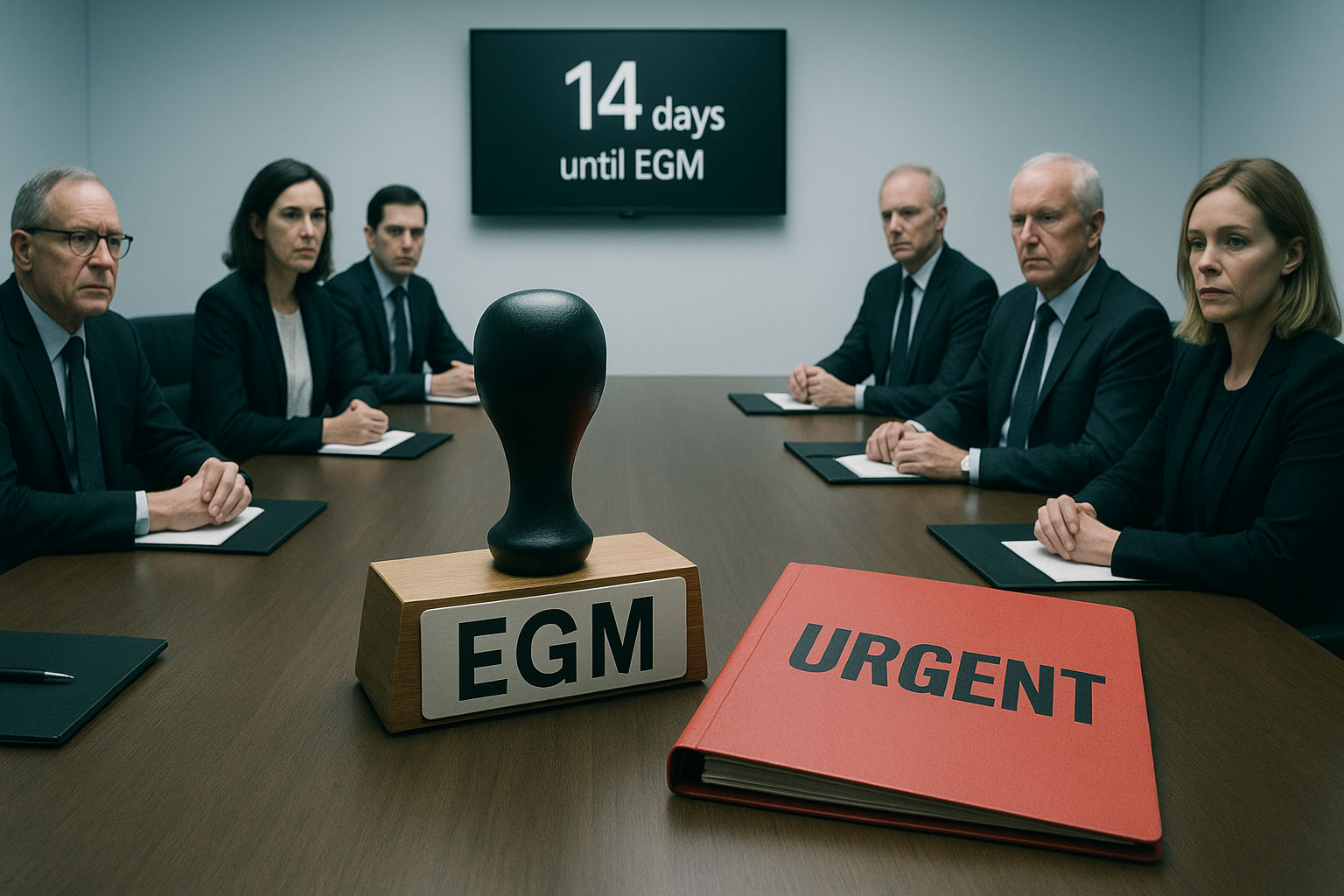
Directors must give shareholders at least 14 clear days' notice for EGMs, excluding both notice and meeting dates.
Shareholders holding 10% of voting shares can force directors to call an EGM within 21 days of requisition.
Only business specifically stated in the EGM notice can be transacted—no surprise additional matters are permitted.
Special resolutions require 75% approval and full resolution text in the notice, but only 14 days for private companies.
EGM minutes must be prepared within 28 days, and decisions often trigger CRO filings like Form B10 within 14 days.
Laura Ryan is a practising Barrister at the Bar of Ireland. She graduated from the Honourable Society of King’s Inns in 2024, having previously qualified and practised as a Chartered Accountant in a big four accounting firm.
An EGM (Extraordinary General Meeting) is any shareholder meeting called outside the normal annual meeting schedule. The term "extraordinary" simply means additional or special - it doesn't mean the business is unusual or dramatic. EGMs allow companies to make urgent decisions requiring shareholder approval without waiting for the next scheduled AGM.
When should I call an EGM instead of waiting for the next AGM?
Call an EGM when significant decisions requiring shareholder approval cannot reasonably wait until the next AGM. Common triggers include major transactions like selling substantial assets, urgent capital raising, constitutional changes needed for investment rounds, immediate director appointments, crisis response requiring emergency authorization, or when significant shareholders demand formal votes.
Can shareholders force the company to hold an EGM?
Yes, shareholders holding at least 10% of paid-up share capital with voting rights can requisition an EGM under Section 178. Directors must call the meeting within 21 days of receiving the written requisition, to be held within two months. If directors fail to call it, the requisitioning shareholders can call it themselves and charge the costs to the company.
How much notice do I need to give for an EGM?
You must give at least 14 clear days' notice for EGMs, meaning 14 full days excluding both the notice date and meeting date. For example, if you send notice on Monday, the earliest meeting date is Tuesday two weeks later. The notice period can be shortened to seven days if shareholders holding 90% of voting shares consent to short notice.
Can I pass special resolutions at an EGM or only at AGMs?
Yes, you can pass both ordinary and special resolutions at EGMs provided proper notice is given. Special resolutions require the full resolution text in the meeting notice, at least 14 days' notice (reduced from 21 days for private companies), and 75% approval from votes cast. Constitutional amendments, name changes, and other major decisions work perfectly well at EGMs.
What happens if I don't include something in the EGM notice but want to discuss it at the meeting?
Only business specified in the notice can be validly transacted - the meeting cannot address surprise additional matters. Inadequate notice can invalidate the meeting and any resolutions passed at it. The notice must contain the date, time, location, nature of business, full text of any special resolutions, voting rights information, and proxy appointment details.
Can I hold an EGM virtually instead of requiring everyone to attend in person?
Yes, Section 176 allows electronic meetings if your company's constitution permits virtual participation. Virtual EGMs must ensure that voting can be accurately recorded. Most modern constitutions include electronic meeting provisions, particularly following COVID-19 adaptations.
What happens if not enough people show up to the EGM?
If quorum isn't present within 30 minutes of the scheduled time (typically two members under Section 182), the meeting must adjourn. The adjourned meeting typically occurs one week later at the same time and place, when attendees constitute quorum regardless of numbers. Your constitution may specify higher quorum requirements for certain decisions.
Do I need to file anything with the CRO after holding an EGM?
The EGM itself doesn't require CRO filing, but decisions made at the meeting often trigger filing obligations. Common post-EGM filings include Form B10 for director appointments within 14 days, constitutional amendments with Form B10 within 28 days, name changes via Form B10, and share capital changes depending on the nature of the change.
Can I cancel an EGM after I've sent out the notice?
Directors who called the EGM can cancel it by notifying all shareholders before the meeting date. However, canceling requisitioned meetings is problematic because shareholders forced the meeting to happen - if directors cancel without good reason, the requisitioning shareholders can call it themselves. Cancellation notices should explain the reasons and state whether issues will be addressed through alternative means.